
Hair Loss Treatment in Lawrence
Hair loss can profoundly impact your confidence, self-image, and quality of life. At Simple Wellness, we offer comprehensive, evidence-based treatments that address the root causes of hair loss and help you regain fuller, healthier hair through personalized integrative care.
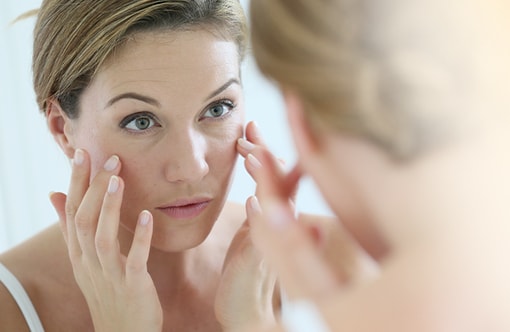
Understanding Hair Loss
Hair loss, medically known as alopecia, affects millions of people worldwide and can manifest in various forms—from gradual thinning to sudden patchy loss or complete baldness. While it's normal to lose 50-100 hairs per day as part of the natural hair growth cycle, excessive hair shedding or failure of hair to regrow indicates an underlying problem that warrants professional attention. Hair loss doesn't discriminate by age or gender, though patterns differ: men typically experience male pattern baldness (androgenetic alopecia) affecting the temples and crown, while women often notice diffuse thinning across the scalp. The psychological impact can be profound, affecting self-esteem, social interactions, and overall mental well-being, making it far more than just a cosmetic concern.
The causes of hair loss are diverse and often multifactorial. Hormonal imbalances—including thyroid disorders, polycystic ovary syndrome (PCOS), menopause, and elevated DHT (dihydrotestosterone) levels—are among the most common culprits. Nutritional deficiencies, particularly iron, vitamin D, biotin, and protein deficiency, can compromise hair follicle health and growth. Chronic stress triggers telogen effluvium, a condition where hair prematurely enters the resting phase and sheds excessively. Autoimmune conditions like alopecia areata cause the immune system to attack hair follicles, while medications (chemotherapy, blood thinners, antidepressants), scalp infections, inflammatory conditions, and genetics all play significant roles. External factors such as harsh chemical treatments, tight hairstyles causing traction alopecia, and environmental toxins further contribute to hair loss, making accurate diagnosis essential for effective treatment.
Professional treatment matters because hair loss often signals underlying health issues that require medical attention, and early intervention significantly improves outcomes. While over-the-counter products make broad claims, they rarely address the specific cause of your hair loss and may delay appropriate treatment. At Simple Wellness, our integrative approach combines comprehensive diagnostic testing—including hormone panels, thyroid function tests, nutritional assessments, and scalp examinations—with evidence-based treatments tailored to your unique situation. Whether your hair loss stems from hormonal imbalances, nutritional deficiencies, stress, or genetic factors, our board-certified providers develop personalized treatment plans that may include prescription medications, nutritional supplementation, lifestyle modifications, stress management techniques, and advanced therapies designed to restore hair growth and address the root cause, not just symptoms.
Signs & Symptoms of Hair Loss
Emotional & Psychological Symptoms
Decreased Self-Confidence
Feeling less attractive or self-conscious about your appearance in social and professional settings.
Anxiety About Appearance
Constant worry about visible hair loss, checking mirrors frequently, or avoiding certain lighting or situations.
Social Withdrawal
Avoiding social gatherings, dating, or public events due to embarrassment about hair loss.
Depression or Low Mood
Persistent sadness, feelings of loss, or mourning the change in your appearance and identity.
Frustration With Treatments
Feeling discouraged after trying multiple products or solutions without seeing meaningful results.
Impact on Identity
Feeling like you're losing part of your identity, especially if hair has been an important aspect of your self-image.
Physical & Observable Symptoms
Gradual Thinning on Top
Progressive thinning of hair on the crown or scalp, with widening part lines or visible scalp showing through.
Receding Hairline
Hairline gradually moving backward, often forming an "M" shape, particularly at the temples.
Circular or Patchy Bald Spots
Sudden appearance of smooth, coin-sized bald patches on the scalp, beard, or eyebrows (alopecia areata).
Excessive Shedding
Finding large amounts of hair on your pillow, in the shower drain, or on your brush beyond normal daily loss.
Thinning Ponytail or Less Volume
Noticing your ponytail has become noticeably thinner or your hair lacks the fullness it once had.
Scalp Visibility
Being able to see your scalp more easily through your hair, especially in bright light or when hair is wet.
Scalp Tenderness or Itching
Experiencing discomfort, inflammation, or unusual sensations on the scalp before or during hair loss.
If you recognize these signs, help is available. Early treatment leads to better outcomes. Our team at Simple Wellness specializes in identifying the underlying causes of hair loss and creating personalized treatment plans that address your specific needs.
How We Treat Hair Loss
Comprehensive Assessment
We begin with a thorough evaluation including detailed medical history, scalp examination, and diagnostic testing to identify hormonal imbalances, nutritional deficiencies, thyroid function, and other underlying factors. This comprehensive approach allows us to pinpoint the exact cause of your hair loss rather than guessing. We examine family history, lifestyle factors, medication use, and stress levels to create a complete picture of your health.
Personalized Treatment Plan
Based on your unique diagnosis, we develop a customized treatment strategy that may include prescription medications, targeted nutritional supplementation, hormone optimization, and lifestyle modifications. Your plan is tailored specifically to address your type of hair loss and underlying causes. We set realistic goals and timelines, ensuring you understand what to expect at each stage of treatment and adjusting our approach based on your response.
Ongoing Care & Monitoring
Hair restoration is a gradual process requiring patience and consistent monitoring. We schedule regular follow-up appointments to track your progress, assess hair regrowth, review treatment effectiveness, and make necessary adjustments. Our team provides continuous support, answers questions, and helps you stay motivated throughout your journey. We celebrate milestones together and modify strategies as needed to optimize your results and ensure long-term hair health.
Our evidence-based treatment approach draws from the latest research in dermatology, endocrinology, and integrative medicine. Depending on your specific diagnosis, we may utilize prescription medications such as minoxidil (topical hair growth stimulant), finasteride or dutasteride (for androgenetic alopecia), spironolactone (for hormonal hair loss in women), or corticosteroids (for autoimmune-related hair loss). We frequently incorporate nutritional interventions including iron supplementation for deficiency-related hair loss, biotin and other B-vitamins for hair strength, vitamin D optimization, and high-quality protein support. For patients with hormonal imbalances, we offer thyroid optimization, hormone replacement therapy when appropriate, and treatments for conditions like PCOS. Our integrative approach also includes stress management techniques, scalp health optimization with medical-grade treatments, lifestyle modifications to support hair growth, and when necessary, referrals to dermatologists or specialists for advanced therapies like low-level laser therapy. Every treatment plan is individualized, evidence-based, and designed to address not just symptoms but the root cause of your hair loss.
Why Choose Simple Wellness for Hair Loss Treatment
Board-Certified Providers
Our team includes board-certified providers with specialized training in hair loss treatment, hormonal disorders, and integrative medicine approaches.
Personalized Care Plans
We don't believe in one-size-fits-all solutions. Every treatment plan is customized to your unique biology, lifestyle, and hair restoration goals.
Telehealth Available
Access expert hair loss treatment from the comfort of home with secure video consultations, convenient follow-ups, and prescription management.
Proven Experience
Years of experience treating diverse hair loss conditions with evidence-based therapies that deliver real, measurable results for our patients.
Your Treatment Journey
First Evaluation (Week 1)
Your journey begins with a comprehensive 60-minute consultation where we review your medical history, examine your scalp and hair, discuss symptoms and concerns, and order appropriate diagnostic tests. We'll take baseline photographs, assess hair density, and discuss your goals and expectations. You'll leave with a clear understanding of potential causes and initial recommendations. If lab work is needed, we'll coordinate testing and schedule a follow-up to review results and finalize your treatment plan.
Treatment Begins (Weeks 2-4)
Once we've identified the underlying cause, we initiate your personalized treatment protocol. This may include starting prescription medications, beginning nutritional supplementation, implementing hormone optimization strategies, or addressing scalp health issues. We provide detailed instructions on proper use of topical treatments, medication timing, and lifestyle modifications. You'll have direct access to our team for questions during this crucial initiation phase. It's important to understand that hair growth is a slow process—the first month focuses on stopping further loss and preparing follicles for regrowth.
Progress Review (Months 2-3)
At the 8-12 week mark, we conduct a thorough progress evaluation. While visible hair regrowth typically takes 3-6 months to become apparent, we'll assess whether shedding has decreased, examine any new hair growth (which often appears as fine "baby hairs" initially), review any side effects or concerns, and compare progress photos to baseline. We may adjust medication dosages, add complementary treatments, or modify your protocol based on your response. This is also when we repeat relevant lab work to ensure underlying issues (like thyroid or nutrient levels) are improving.
Long-Term Management (Months 6+)
Most patients begin seeing meaningful results between 4-6 months, with continued improvement for up to 12-18 months. Once your hair is stabilized and regrowth is established, we transition to maintenance care with quarterly check-ins, ongoing prescription management, and strategies to preserve your results. Hair loss treatment is typically a long-term commitment—many therapies need to be continued indefinitely to maintain results. We'll help you develop a sustainable maintenance plan that fits your lifestyle and budget while protecting the progress you've achieved. Our goal is healthy, lasting results.
Frequently Asked Questions About Hair Loss
How long does hair loss treatment take to show results?
Will I need to take medication for hair loss, and are there side effects?
Does insurance cover hair loss treatment?
What if treatment isn't working? What are my other options?
Can I receive hair loss treatment through telehealth?
Is hair loss treatment permanent, or will I need ongoing care?
Related Conditions We Treat
Thyroid Disorders
Thyroid imbalances are a common cause of hair loss. We provide comprehensive thyroid evaluation and optimization to restore hair health.
Learn more →Hormonal Imbalances
Hormonal fluctuations from menopause, PCOS, or androgen excess can trigger hair loss. We offer specialized hormone balancing treatments.
Learn more →Stress & Anxiety
Chronic stress can cause significant hair shedding. Our stress management programs address both the emotional and physical impacts of stress.
Learn more →Get Help for Hair Loss Today
You don't have to face hair loss alone. Our team is ready to help you restore your hair and confidence.