
Acne and Acne Scarring Treatment in Lawrence
Acne and its lasting scars can profoundly impact your confidence and quality of life. At Simple Wellness, we provide comprehensive, evidence-based treatments that address both active breakouts and the scarring they leave behind, helping you achieve clear, healthy skin and renewed self-assurance.
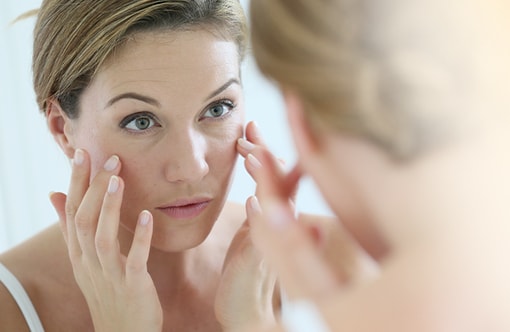
Understanding Acne and Acne Scarring
Acne is one of the most common skin conditions worldwide, affecting approximately 85% of people between ages 12 and 24, though it can persist or emerge at any age. What begins as clogged pores can develop into inflammatory lesions—papules, pustules, nodules, and cysts—that not only cause physical discomfort but also emotional distress. When acne is severe or left untreated, it frequently results in acne scarring, which manifests as atrophic (depressed) scars, hypertrophic (raised) scars, or hyperpigmentation that can last for years. The psychological impact of visible acne and scarring is significant, with studies linking both conditions to decreased self-esteem, social anxiety, and even depression. For many individuals, the appearance of their skin directly affects their professional opportunities, social interactions, and overall sense of well-being.
The causes of acne are multifactorial and involve a complex interplay of hormonal fluctuations, excess sebum production, bacterial colonization (particularly Cutibacterium acnes), and inflammation. Genetic predisposition plays a substantial role—if your parents experienced acne, you're more likely to develop it as well. Hormonal changes during puberty, menstruation, pregnancy, or conditions like polycystic ovary syndrome (PCOS) can trigger or worsen breakouts. Dietary factors, including high-glycemic foods and dairy products, have been implicated in some cases. Environmental factors such as humidity, pollution, and certain skincare or cosmetic products can exacerbate the condition. Stress, while not a direct cause, can worsen acne by triggering inflammatory responses and hormonal changes. Acne scarring develops when inflammatory lesions damage the skin's collagen structure; the body's healing response may produce too little collagen (resulting in atrophic scars) or too much (causing hypertrophic scars or keloids).
Professional treatment for acne and acne scarring is essential because these conditions rarely resolve completely on their own, and delays in treatment increase the likelihood of permanent scarring. Over-the-counter products may help mild cases, but moderate to severe acne typically requires prescription medications and professional interventions. Early, aggressive treatment of active acne is the most effective strategy for preventing scars. For existing scars, a variety of evidence-based procedures—including chemical peels, microneedling, laser resurfacing, subcision, and dermal fillers—can significantly improve skin texture and appearance. At Simple Wellness, we understand that effective acne treatment isn't one-size-fits-all; it requires a personalized approach that considers your skin type, acne severity, scarring patterns, medical history, lifestyle factors, and treatment preferences. Our board-certified providers combine medical expertise with compassionate care to develop comprehensive treatment plans that address both the physical and emotional dimensions of living with acne and scarring.
Signs & Symptoms of Acne and Acne Scarring
Emotional & Psychological Signs
Declining social invitations, avoiding face-to-face interactions, or feeling reluctant to participate in activities due to embarrassment about your skin.
Persistent negative thoughts about your appearance, feeling unattractive, or believing others judge you based on your skin condition.
Heightened nervousness or self-consciousness during interactions, particularly in well-lit environments or when meeting new people.
Persistent sadness, hopelessness, or loss of interest in activities you once enjoyed, often linked to frustration with chronic skin issues.
Frequently examining your skin in mirrors or reflective surfaces, constantly assessing breakouts or scars throughout the day.
Feeling that acne or scarring affects your professional success, romantic relationships, or limits your career advancement opportunities.
Feeling discouraged or hopeless after trying multiple over-the-counter products or treatments without seeing meaningful improvement.
Physical & Behavioral Signs
Recurring comedones (blackheads and whiteheads), inflammatory papules, pustules, nodules, or cysts that persist despite home care efforts.
Atrophic (ice pick, boxcar, or rolling) scars, hypertrophic scars, keloids, or areas of persistent hyperpigmentation where acne lesions have healed.
Excess sebum production, shiny appearance particularly in the T-zone (forehead, nose, chin), and visibly enlarged pores.
Deep, inflamed nodules or cysts that are painful to touch and may take weeks to resolve, often leaving scars behind.
Compulsive picking, squeezing, or touching of acne lesions, which worsens inflammation and increases the risk of scarring and infection.
Relying heavily on cosmetics to hide breakouts or scars, sometimes exacerbating the condition with pore-clogging products.
Dark spots (post-inflammatory hyperpigmentation) or red marks (post-inflammatory erythema) that persist for months after lesions heal.
Rough, bumpy, or pitted skin surface resulting from multiple acne scars, affecting the overall smoothness and appearance of your complexion.
If you recognize these signs, help is available. Early treatment leads to better outcomes, prevents worsening of acne and scarring, and can dramatically improve both your skin health and quality of life.
How We Treat Acne and Acne Scarring
Comprehensive Assessment
Your journey begins with a thorough evaluation of your skin type, acne severity (using standardized grading scales), scarring patterns, and medical history. We assess contributing factors including hormonal influences, dietary habits, skincare routines, and previous treatment responses. This detailed assessment allows us to identify the root causes of your acne and understand your scarring patterns, which is essential for developing an effective, personalized treatment strategy tailored to your unique needs.
Customized Treatment Plan
Based on your assessment, we design a multifaceted treatment plan that addresses both active acne and existing scars. For active acne, we may recommend topical retinoids, antibiotics, benzoyl peroxide, salicylic acid, or hormonal therapies depending on your specific case. For moderate to severe acne, oral medications including antibiotics, hormonal treatments, or isotretinoin may be appropriate. For scarring, we utilize advanced procedures such as chemical peels, microneedling, fractional laser resurfacing, subcision for tethered scars, and dermal fillers for volume loss.
Ongoing Care & Monitoring
Treating acne and scarring requires consistent follow-up to monitor progress, adjust treatments, and manage any side effects. We schedule regular check-ins to evaluate your response to medications and procedures, make necessary modifications to your regimen, and provide continuous education about proper skincare practices. Our providers remain accessible through telehealth visits and secure messaging, ensuring you have the support you need throughout your treatment journey. We celebrate your progress together and work collaboratively toward your goals of clear, healthy, confident skin.
Evidence-Based Treatment Modalities
Our approach to acne treatment is grounded in the latest dermatological research and clinical guidelines. For active acne, we utilize topical retinoids (tretinoin, adapalene, tazarotene) which normalize follicular keratinization and have anti-inflammatory properties; topical or oral antibiotics (doxycycline, minocycline) to reduce bacterial colonization and inflammation; benzoyl peroxide and salicylic acid for their antimicrobial and exfoliating effects; hormonal therapies including combined oral contraceptives and spironolactone for women with hormonal acne; and isotretinoin for severe, treatment-resistant cases, which can provide long-term remission.
For acne scarring, we offer specialized procedures tailored to your scar type and depth. Chemical peels using glycolic acid, salicylic acid, or TCA improve skin texture and reduce hyperpigmentation. Microneedling creates controlled micro-injuries that stimulate collagen production and skin remodeling for improved results. Fractional laser resurfacing (ablative or non-ablative) targets scar tissue and promotes skin remodeling. Subcision releases tethered scars, while dermal fillers restore volume to depressed areas. We combine these modalities strategically, often using multiple approaches in sequence or together to achieve optimal outcomes. Throughout treatment, we emphasize proper sun protection, gentle skincare, and lifestyle modifications that support skin healing and prevent future breakouts.
Why Choose Simple Wellness for Acne and Acne Scarring Treatment
Board-Certified Expertise
Our providers are board-certified with specialized training in dermatology and aesthetic procedures, ensuring you receive expert care based on the latest clinical evidence and treatment advances.
Personalized, Holistic Approach
We recognize that acne and scarring affect more than just your skin—they impact your self-esteem and daily life. Our treatment plans address both the physical and emotional aspects of these conditions with compassion and individualized care.
Convenient Telehealth Options
Many acne consultations and follow-ups can be conducted effectively via telehealth, offering you flexible access to expert care from the comfort of your home without disrupting your daily schedule.
Extensive Experience with Complex Cases
We have successfully treated patients with severe cystic acne, hormonal acne, treatment-resistant cases, and extensive scarring. Our experience with complex presentations ensures you receive comprehensive, effective care regardless of severity.
Your Treatment Journey
First Evaluation (Week 1)
During your initial consultation, we conduct a comprehensive skin assessment, review your medical and treatment history, photograph your skin for progress tracking, and discuss your concerns and goals. We'll explain the acne grading system, identify your scar types, and develop your personalized treatment plan. You'll receive education about skincare routines, potential treatment options, expected timelines, and realistic outcomes. If medications are prescribed, we'll discuss proper usage, potential side effects, and monitoring requirements. Many patients leave this first visit with renewed hope and a clear roadmap for improvement.
Treatment Begins (Weeks 2-4)
You'll begin your prescribed medications and skincare regimen. It's important to understand that acne treatments typically require 6-8 weeks before visible improvement occurs, and some patients experience an initial "purging" period where breakouts temporarily worsen as the skin adjusts. For scarring treatments, procedures are typically spaced 4-6 weeks apart to allow healing. During this phase, we remain available to answer questions, address concerns about side effects, and provide encouragement. Consistency and patience are essential—resist the temptation to frequently change products or abandon your regimen prematurely.
Progress Review (Months 2-3)
At your follow-up visits, we assess your response to treatment by comparing clinical photographs, evaluating reduction in lesion counts and inflammation, and discussing your satisfaction with results. This is when most patients begin seeing meaningful improvement in active acne. For scarring treatments, multiple sessions are typically needed—microneedling often requires 3-6 treatments, while laser resurfacing may need 2-5 sessions depending on scar severity. We adjust your treatment plan based on your progress, tolerability, and evolving needs. If you're not responding as expected, we explore alternative medications or combination approaches.
Long-Term Management
Once your acne is controlled and scarring has improved, we transition to maintenance therapy to prevent recurrence. This may include ongoing topical retinoids, periodic maintenance procedures, hormonal therapy continuation, and consistent skincare practices. Many patients maintain clear skin with minimal intervention once their condition is well-controlled. We schedule periodic check-ins to monitor for flares, adjust treatments seasonally if needed, and address new concerns. Our goal is not just temporary improvement but sustained, long-term skin health. With proper maintenance and ongoing partnership with our team, most patients achieve and maintain the clear, confident skin they desire.
Frequently Asked Questions About Acne and Acne Scarring
How long does it take to see results from acne treatment?
Will I need prescription medication, or can I use over-the-counter products?
Does insurance cover acne and acne scarring treatment?
What if my acne isn't improving with treatment?
Can acne treatment be done through telehealth?
Will acne scars completely disappear with treatment?
Related Conditions We Treat
Rosacea
Chronic inflammatory skin condition causing facial redness, visible blood vessels, and acne-like breakouts requiring specialized treatment approaches.
Melasma
Pigmentation disorder causing brown or gray patches on the face, often triggered by hormonal changes, sun exposure, or genetic factors.
Eczema
Inflammatory skin condition characterized by dry, itchy, inflamed patches that can affect quality of life and require ongoing management strategies.
Get Help for Acne and Acne Scarring Today
You don't have to face acne and acne scarring alone. Our team is ready to help you achieve clear, healthy, confident skin.